



手把手教你搭建区块链(上)
“学习区块链的最快方法就是自己亲手搭建一个”
“学习区块链的最快方法就是自己亲手搭建一个”
如果您已经掌握了一些基础的python知识,那么跟着本文搭建区块链对您来说将不是一件难事儿。
在开始之前,有一些概念需要您先明确:
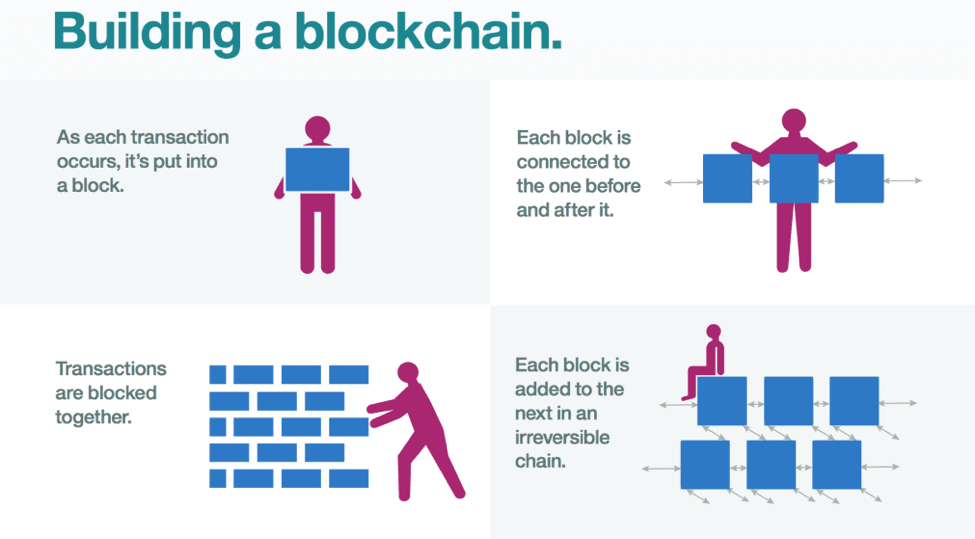
1. 区块链是一个不变的顺序记录链,称为块。它们可以包含事务,文件或任何您想要记录的数据。您只需记住,它们使用哈希值链接在一起。
2. 哈希函数就是一个简单的函数,它接受输入值,并根据该输入创建确定输入值的输出值。对于任何x输入值,只要运行哈希函数,您将始终收到相同的y输出值。这样,每个输入都有一个确定的输出。哈希函数通常是不可逆的(单向),这意味着仅知道输出就无法弄清楚输入-除非尝试所有可能的输入(也称为暴力破解)。
 这是哈希函数md5,可从任何输入数据创建一个32个字符的十六进制输出
掌握了区块,哈希等基本概念之后,您还需要为搭建区块链做一些环境准备工作:请您确保您的电脑已安装 Python 3.6以上(以及pip)、Flask和Requests库。
pip install Flask==0.12.2 requests==2.18.4 Step 1
搭建区块链
打开你最喜欢的文本编辑器或IDE,推荐使用PyCharm;创建一个新文件,名为blockchain.py
创建一个Blockchain类,创建两个初始的空列表作为构造函数,一个用于存储我们的区块链,另一个用于存储交易。
class Blockchain(object):def __init__(self):self.chain = []self.current_transactions = []def new_block(self):# Creates a new Block and adds it to the chainpassdef new_transaction(self):# Adds a new transaction to the list of transactionspass@staticmethoddef hash(block):# Hashes a Blockpass@propertydef last_block(self):# Returns the last Block in the chainpass
这个区块链类负责管理链。,它存储事务,并具有一些用于将新块添加到链中的辅助方法。
”Block到底长什么样?“
每个Block都有一个索引index,一个时间戳timestamp(以Unix时间表示),一个事务列表,一个proof证明(稍后会有更多介绍)以及前一个块的哈希值。如下面代码所示:
block = {'index': 1,'timestamp': 1506057125.900785,'transactions': [{'sender': "8527147fe1f5426f9dd545de4b27ee00",'recipient': "a77f5cdfa2934df3954a5c7c7da5df1f",'amount': 5,}],'proof': 324984774000,'previous_hash': "2cf24dba5fb0a30e26e83b2ac5b9e29e1b161e5c1fa7425e73043362938b9824"}
此时链的概念应该很明显了:每个新块本身都包含前一个块的哈希。这很关键,因为这使区块链具有不变性,即:如果攻击者破坏了链中较早的区块,则所有后续区块都将包含不正确的哈希。
”将交易添加到区块“
创建一个new_transaction()方法,将交易添加到区块:
class Blockchain(object):...def new_transaction(self, sender, recipient, amount):"""Creates a new transaction to go into the next mined Block:param sender: <str> Address of the Sender:param recipient: <str> Address of the Recipient:param amount: <int> Amount:return: <int> The index of the Block that will hold this transaction"""self.current_transactions.append({'sender': sender,'recipient': recipient,'amount': amount,})return self.last_block['index'] + 1
在new_transaction()将事务添加到列表之后,它将返回要添加该事务的块的索引:即下一个要挖掘的块。这对于提交事务的用户很有用。
”创建一个新区块“
实例化我们的区块链时,我们需要使用创世区块(就是前面没有任何区块)。
我们还需要在创世区块中添加“证明”,这是挖矿(或工作量证明Proof of Work)的结果。 关于Pow可以参考我之前写过的文章:金融小课堂 | 加密货币一级市场概述(上)。
除了在构造函数中创建创世区块之外,我们还需要实例化new_block(),new_transaction()和hash()这三个方法:
import hashlibimport jsonfrom time import timeclass Blockchain(object):def __init__(self):self.current_transactions = []self.chain = []# Create the genesis blockself.new_block(previous_hash=1, proof=100)def new_block(self, proof, previous_hash=None):"""Create a new Block in the Blockchain:param proof: <int> The proof given by the Proof of Work algorithm:param previous_hash: (Optional) <str> Hash of previous Block:return: <dict> New Block"""block = {'index': len(self.chain) + 1,'timestamp': time(),'transactions': self.current_transactions,'proof': proof,'previous_hash': previous_hash or self.hash(self.chain[-1]),}# Reset the current list of transactionsself.current_transactions = []self.chain.append(block)return blockdef new_transaction(self, sender, recipient, amount):"""Creates a new transaction to go into the next mined Block:param sender: <str> Address of the Sender:param recipient: <str> Address of the Recipient:param amount: <int> Amount:return: <int> The index of the Block that will hold this transaction"""self.current_transactions.append({'sender': sender,'recipient': recipient,'amount': amount,})return self.last_block['index'] + 1@propertydef last_block(self):return self.chain[-1]@staticmethoddef hash(block):"""Creates a SHA-256 hash of a Block:param block: <dict> Block:return: <str>"""# We must make sure that the Dictionary is Ordered, or we'll have inconsistent hashesblock_string = json.dumps(block, sort_keys=True).encode()return hashlib.sha256(block_string).hexdigest()
这样一个简单的区块链就大功告成了。
如果您会好奇更深层的问题,比如如何创建,伪造或开采新的区块...?
关注修恩笔记,且听下回分解~
以上
作者:修恩
上一篇:你的公司需要区块链吗?
▎推荐阅读
——End——

『声明:修恩笔记所有文章仅供参考,不构成任何投资建议策略。』


据说长得好看的人都点了👇
为你推荐

商务合作:TG:@Lottie96
Copyright 火星财经 All Rights Reserved.